

North Texas · Owner-operated
Rodent Signs & Prevention
Compare signs and reference photos, keep cleanup safe, and ask about likely entry points.
Possible matches are a starting point. A photo alone may not confirm identification.
Start with what you are seeing.
For homeowners in Azle, Fort Worth, Saginaw, North Fort Worth, and nearby North Texas communities. Choose a guide to compare clues, likely causes, and prevention steps.
Pest identification
Ant trails, lawn mounds, mosquitoes, and flying ants or termites.
Open this guide →Weed identification
Nutsedge, crabgrass, dallisgrass, and henbit—with turf-specific care in mind.
Open this guide →Rodent signs & prevention
House mice, roof rats, Norway rats, and safe ways to respond to signs.
Open this guide →Roach identification
German, American, smokybrown, and Oriental cockroach reference photos.
Open this guide →Common questions
What to photograph, how to prepare, and when an inspection helps.
Open this guide →Not sure what it is?
Take a clear close-up and a wider photo. Keep your service address handy so PJ can help with the next step.
Seal accessible gaps, fix leaks, reduce standing water, store food and pet feed securely, and maintain turf with appropriate mowing and watering. Identify the concern before choosing a treatment.
Around the home
A few clues go a long way.
Start with the insect or sign you noticed. Appearance, location, and a clear photo help narrow the possibilities.
4 possible matches · these clues do not confirm identification.
Take one close-up and one wider photo of the area. Note size, time of day, and where you saw it. Do not disturb ant mounds or collect insects that may bite or sting.
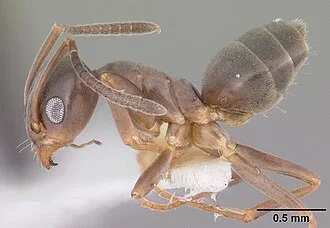
Photo credit & license
April Nobile / © AntWeb.org · CC BY 4.0 · Original specimen record. Resized and converted to WebP; displayed without cropping.
Trailing insects
Household ants
A narrow waist and bent antennae are useful ant clues.
Compare clues & prevention steps
Clues to compare
- Three distinct body sections, with a pinched waist.
- Many workers may follow a trail to food or moisture.
Why it may be showing up
Food residue, moisture, and small entry gaps can make a home attractive. The exact ant species changes the treatment approach.
What you can do
- Wipe food spills and store food in sealed containers.
- Repair leaks and note the entry point for inspection.
- Photograph a worker closely; color alone is not enough.
Learn more: Texas A&M · Ant identification
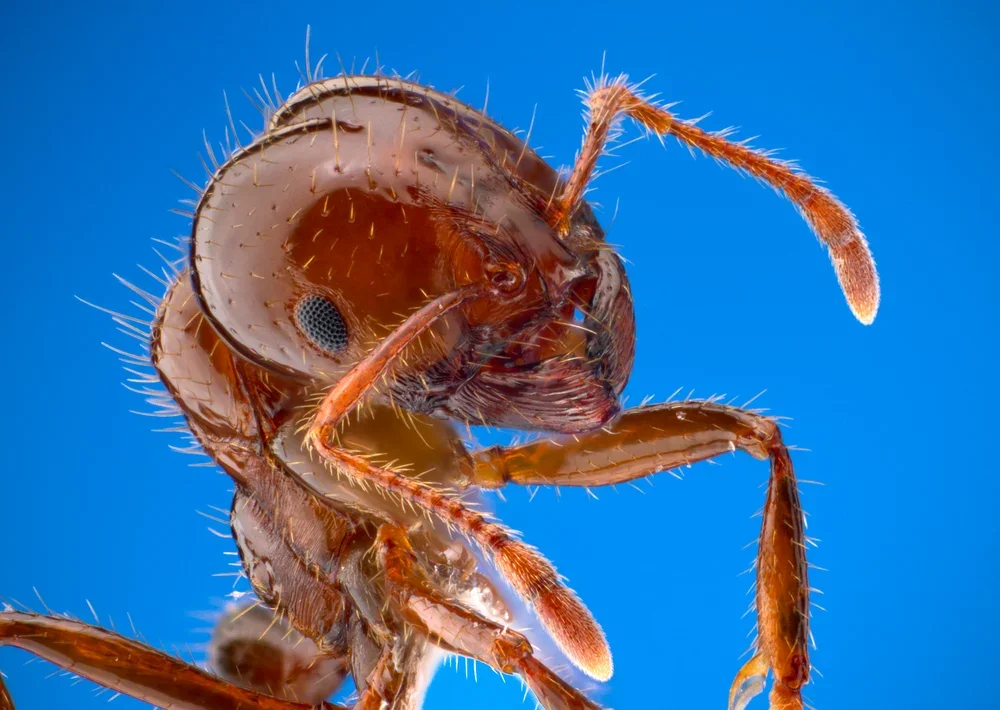
Photo credit & license
Alex Wild / University of Texas Insects Unlocked · CC0 1.0. Resized and converted to WebP; displayed cropped.
Yard & mound activity
Possible fire ants
Small reddish-brown ants with varied worker sizes.
Compare clues & prevention steps
Clues to compare
- Workers may differ in size within the same colony.
- Reddish-brown bodies often have darker abdomens.
Why it may be showing up
A lawn mound can be an ant nesting site. Mound shape and ant color do not confirm fire ants.
What you can do
- Keep people and pets away from the mound.
- Do not disturb it to test whether the ants sting.
- Ask about a lawn ant treatment after identification.
Learn more: Texas A&M · Ant identification
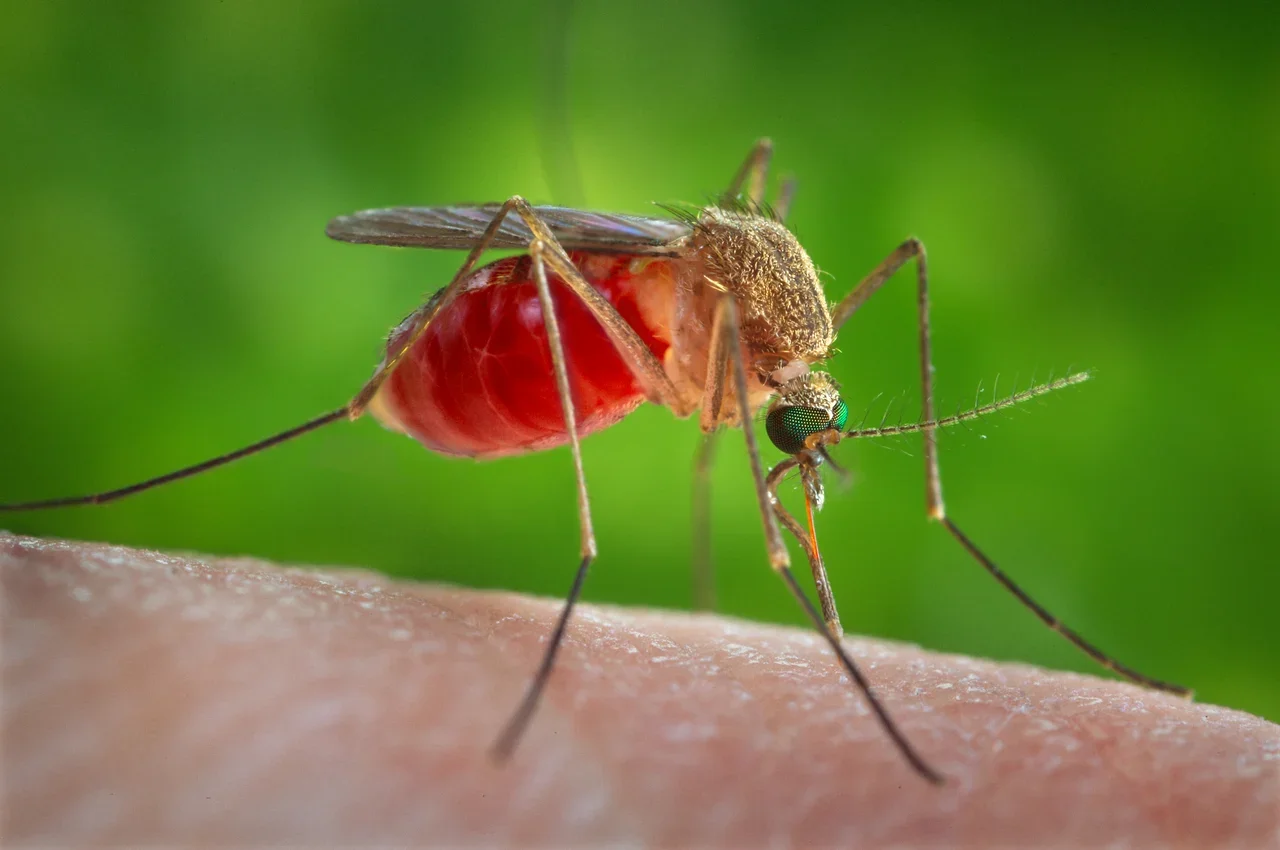
Photo credit & license
CDC / James Gathany · Public domain. Resized and converted to WebP; displayed without cropping.
Outdoor flying insects
Possible mosquitoes
Slender flying insects; water nearby is worth checking.
Compare clues & prevention steps
Clues to compare
- Long legs and a narrow body; adults have one pair of wings.
- Larvae may move in standing water. Bites alone do not identify an insect.
Why it may be showing up
Water held in containers, clogged gutters, or drainage areas can support breeding. Shaded vegetation can shelter adults.
What you can do
- Empty and scrub water-holding containers each week.
- Check saucers, toys, birdbaths, and gutters after rain.
- Use an EPA-registered repellent as its label directs.
Learn more: Texas A&M · Mosquito prevention
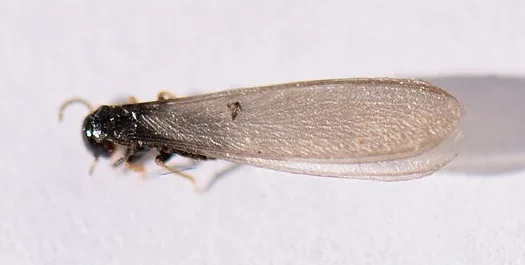
Photo credit & license
PumpkinSky · CC BY-SA 4.0. Cropped around the specimen, resized, and converted to WebP.
Inspection recommended
Flying ants or termites
Shed wings or mud tubes deserve a closer look.
Compare clues & prevention steps
Clues to compare
- Termites have a broad waist, fairly straight antennae, and four similar-length wings.
- Ants have a pinched waist, bent antennae, and shorter hind wings.
- Mud tubes can indicate subterranean termite activity and should be inspected.
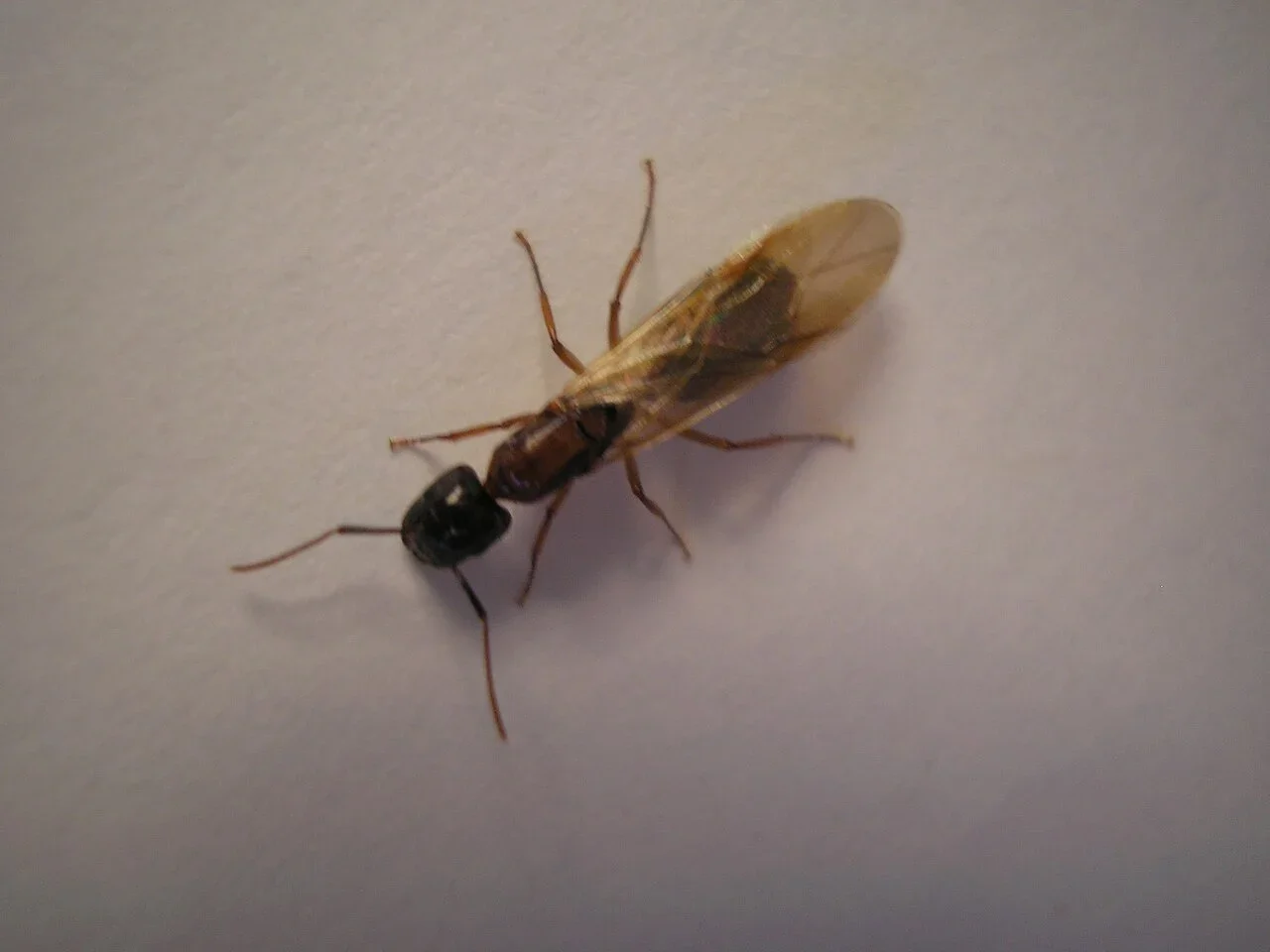
Photo credit & license
Quinsareth · CC BY-SA 3.0. Resized and converted to WebP; displayed without cropping.
Photo credit & license
PumpkinSky · CC BY-SA 4.0. Cropped around the specimen, resized, and converted to WebP.
Reference photos are not shown to scale.
Why it may be showing up
Swarming is part of reproduction. Finding shed wings or live swarmers indoors is a reason to request an inspection. These signs do not reveal how much damage may be present.
What you can do
- Photograph insects, wings, and the surrounding area.
- If safe, save a dead sample in a sealed container.
- Leave suspected tubes and damaged wood intact for inspection.
Learn more: Texas A&M · Termites · Texas A&M · Ant identification
No close matches for both choices. Try resetting the filters, or ask PJ to review a photo.
In the lawn
Look at the leaf. Then the stem.
North Texas lawns can have grassy weeds, broadleaf weeds, and sedges. Similar-looking plants may need different care.
4 possible matches · these clues do not confirm identification.
Bermuda, St. Augustine, and zoysia do not tolerate every herbicide the same way. Heat, drought stress, and product restrictions matter. Confirm the weed and turf type before choosing a treatment.
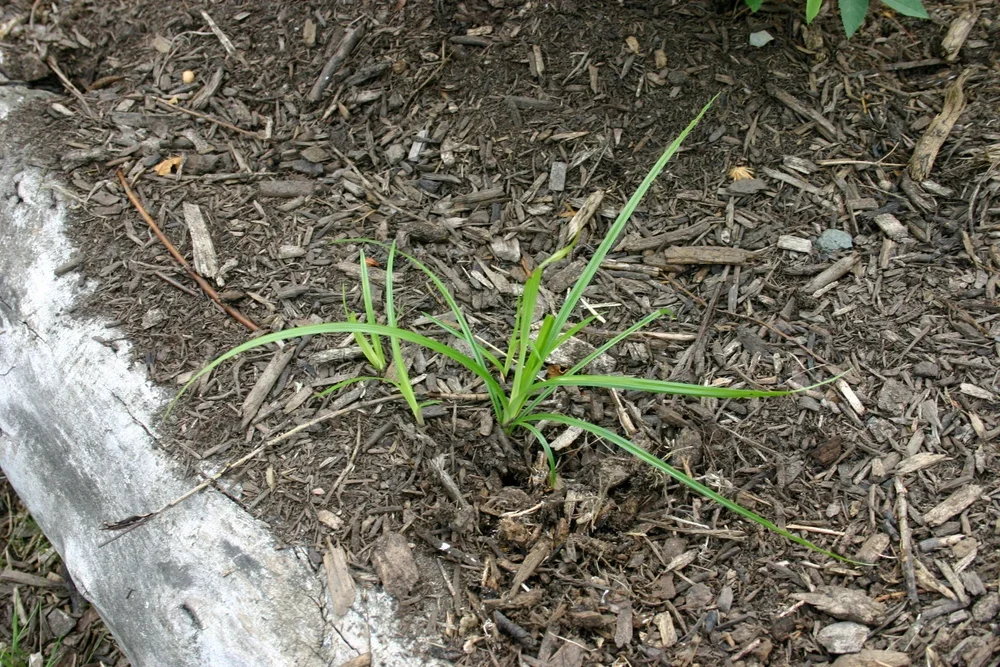
Photo credit & license
SB Johnny · CC BY-SA 3.0. Resized and converted to WebP; displayed cropped.
Perennial sedge
Yellow nutsedge
Upright shoots, narrow leaves, and a triangular stem.
Compare clues & prevention steps
Clues to compare
- Leaves are arranged in three directions around the stem.
- Stems are usually triangular; yellowish seedheads may develop.
Why it may be showing up
Moist sites can favor sedges. Underground tubers can allow regrowth, even after visible shoots are removed.
What you can do
- Check irrigation coverage and drainage.
- Take a close photo of the stem base and seedhead.
- Ask for sedge-specific care suited to your lawn.
Learn more: AggieTurf · Yellow nutsedge · Texas A&M · Lawn herbicide selection
Summer annual grass
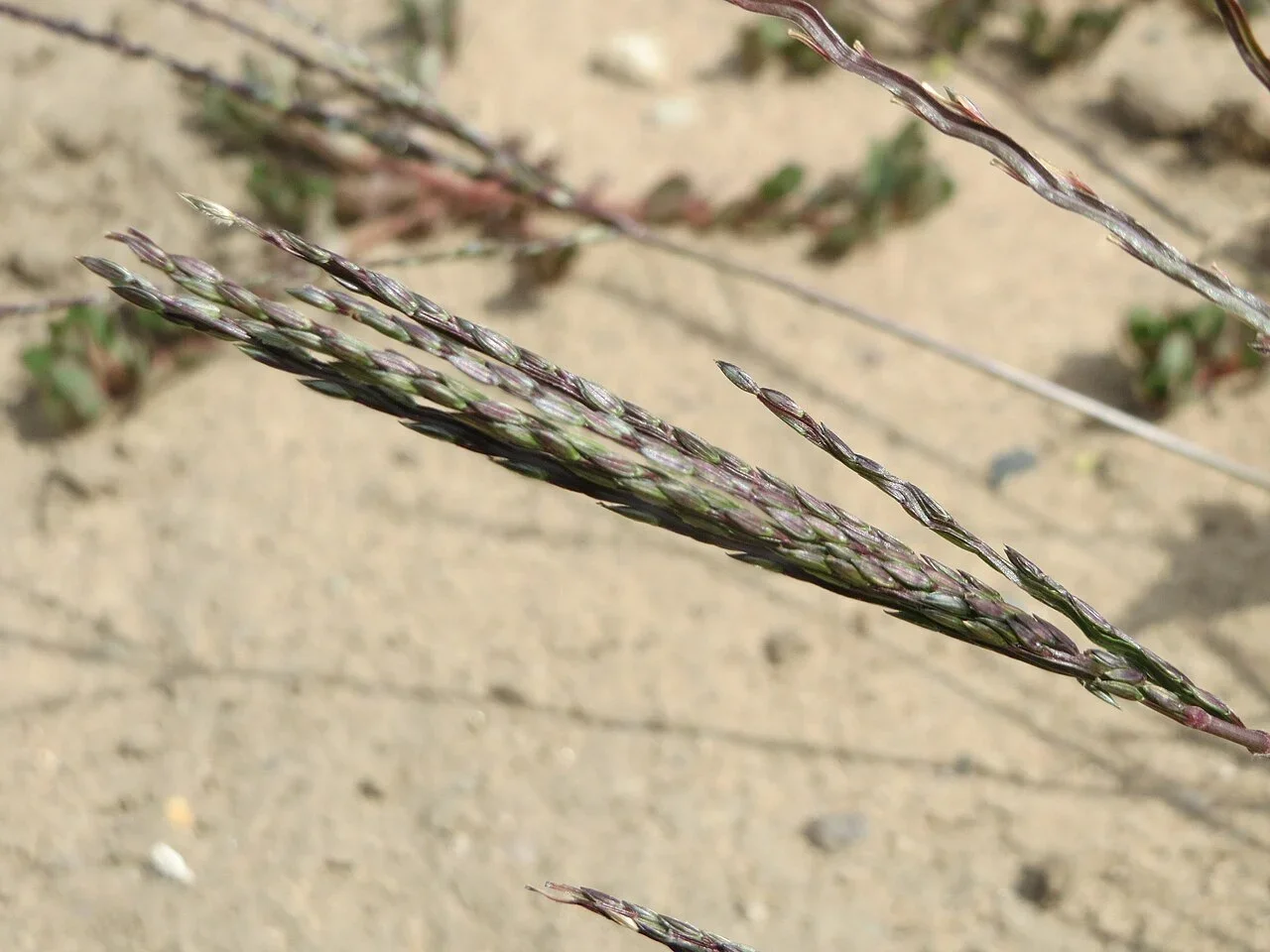
Crabgrass
Spreading growth with finger-like seedhead branches.
Compare clues & prevention steps
Clues to compare
- Large crabgrass has hairy leaves and leaf sheaths.
- Spreading stems can root at their joints.
Why it may be showing up
Open space in thin turf can let annual grassy weeds establish during warm weather.
What you can do
- Avoid scalping the lawn; mow for your turf type.
- Photograph the plant base and seedhead.
- Discuss prevention timing before new weeds germinate.
Learn more: AggieTurf · Large crabgrass · Texas A&M · Lawn herbicide selection
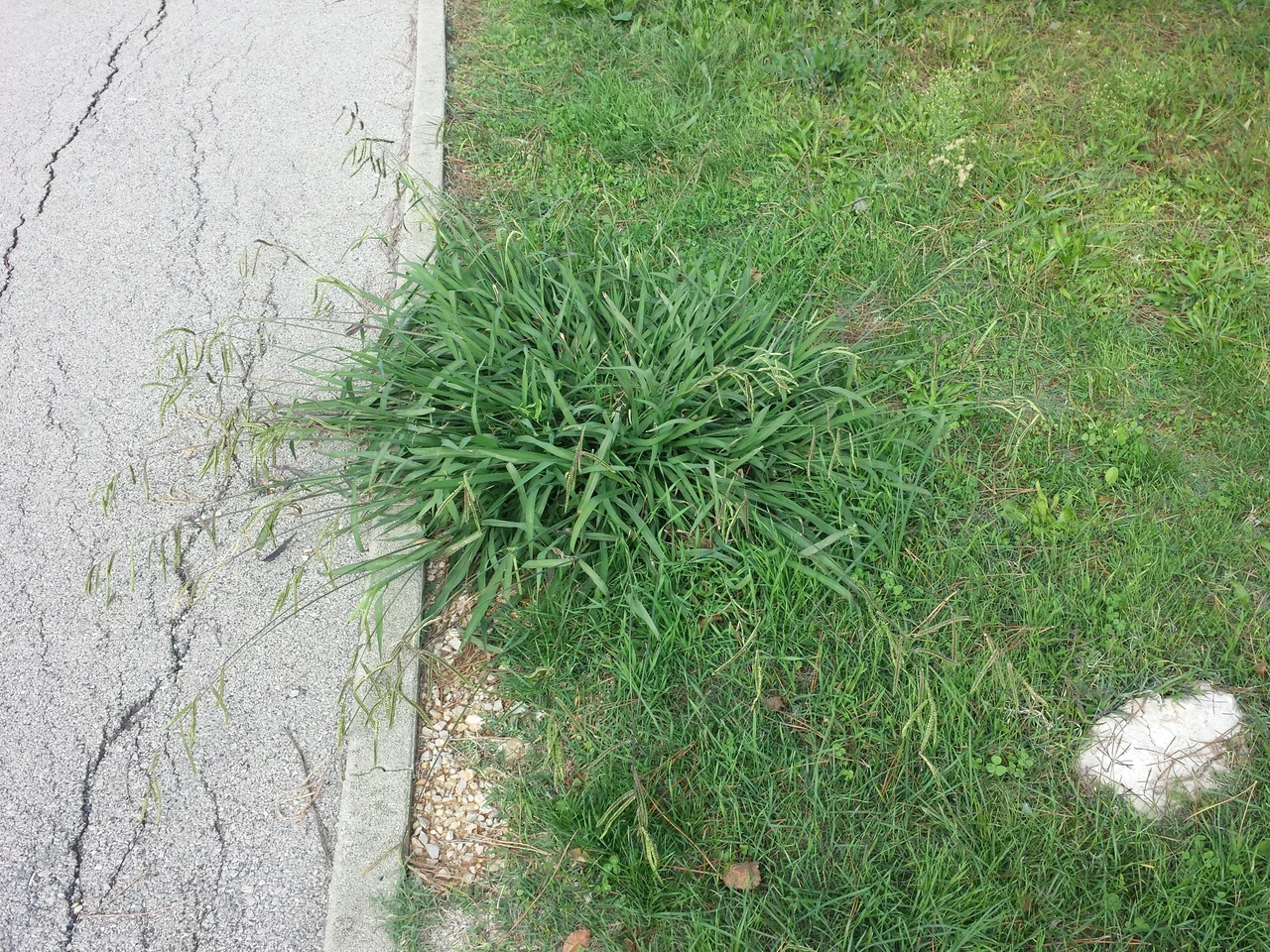
Photo credit & license
Stefan.lefnaer · CC BY-SA 4.0. Resized and converted to WebP; displayed without cropping.
Perennial grassy weed
Dallisgrass
Coarse, persistent clumps with branching seed stalks.
Compare clues & prevention steps
Clues to compare
- Established plants often form substantial clumps.
- Seed stalks carry several branches along the main stem.
Why it may be showing up
Persistent underground growth makes established plants difficult to manage. A clump that returns in the same spot may be a perennial weed.
What you can do
- Photograph a full clump and an unmowed seedhead.
- Keep mowing appropriately to support the surrounding turf.
- Ask about a targeted plan and realistic follow-up.
Learn more: AggieTurf · Dallisgrass · Texas A&M · Lawn herbicide selection
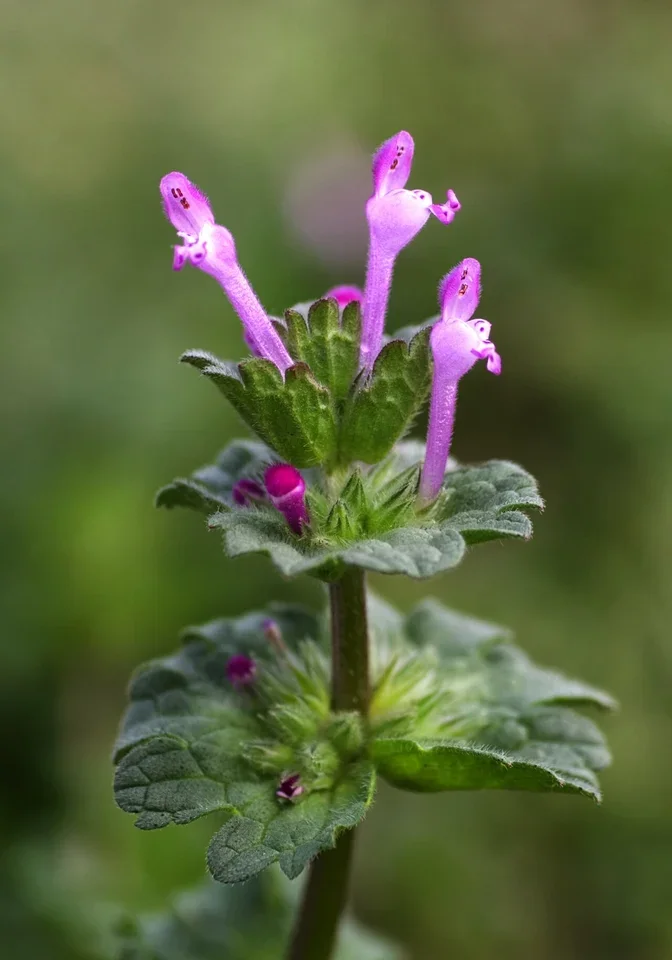
Photo credit & license
Masaki Ikeda · Public domain. Resized and converted to WebP; displayed without cropping.
Winter annual broadleaf
Henbit
Purple flowers, toothed leaves, and a square stem.
Compare clues & prevention steps
Clues to compare
- Leaves have rounded to coarsely toothed edges.
- Pink-purple flowers occur in clusters around the stem.
Why it may be showing up
Cool-season annuals may emerge while warm-season turf is slowing or dormant. Thin areas give them room.
What you can do
- Photograph flowers, leaves, and the stem together.
- Support turf density with appropriate seasonal care.
- Discuss fall prevention and treatment for emerged weeds.
Learn more: AggieTurf · Henbit · Texas A&M · Lawn herbicide selection
No close matches for both choices. Try resetting the filters, or ask PJ to review a photo.
Signs & entry points
Follow the signs, not a guess.
Droppings, gnaw marks, and nighttime noise can suggest activity. None of these signs alone confirms a species or an infestation.
3 possible matches · these clues do not confirm identification.
Do not sweep or vacuum dry droppings. Keep children and pets away. Wear gloves and wet waste with disinfectant for 5 minutes or the label’s contact time before wiping it up. Heavy contamination needs professional guidance.
Small indoor rodent
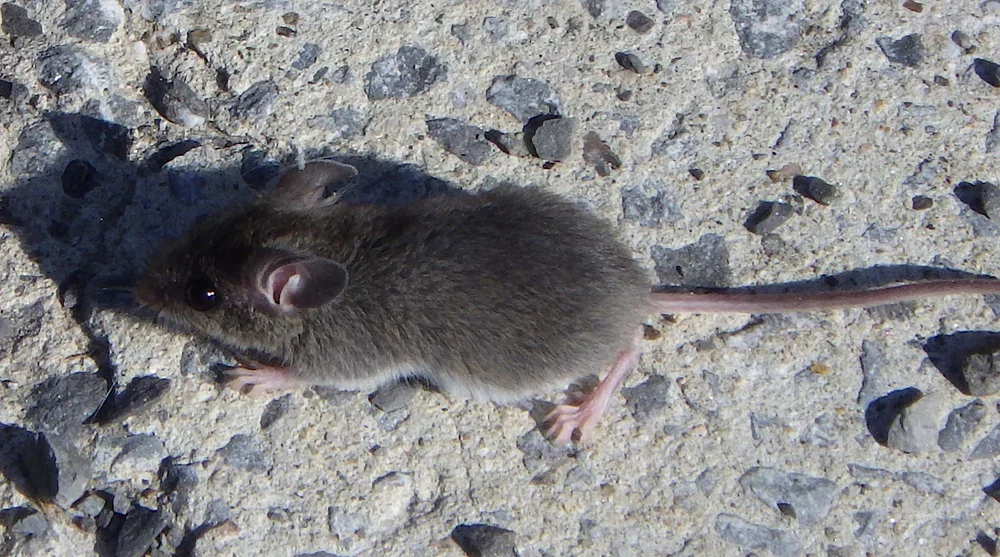
House mouse
Small body, pointed muzzle, and relatively large ears.
Compare clues & prevention steps
Clues to compare
- Gray-brown body with a pointed nose and a long tail.
- Gnawed food packaging can accompany activity.
Why it may be showing up
Food, shelter, and small gaps can support entry.
What you can do
- Seal food and pet feed in sturdy containers.
- Photograph signs without handling droppings.
- Request inspection of likely entry points.
Learn more: Texas A&M · Rat and mouse identification · CDC · Preventing rodents
Overhead activity
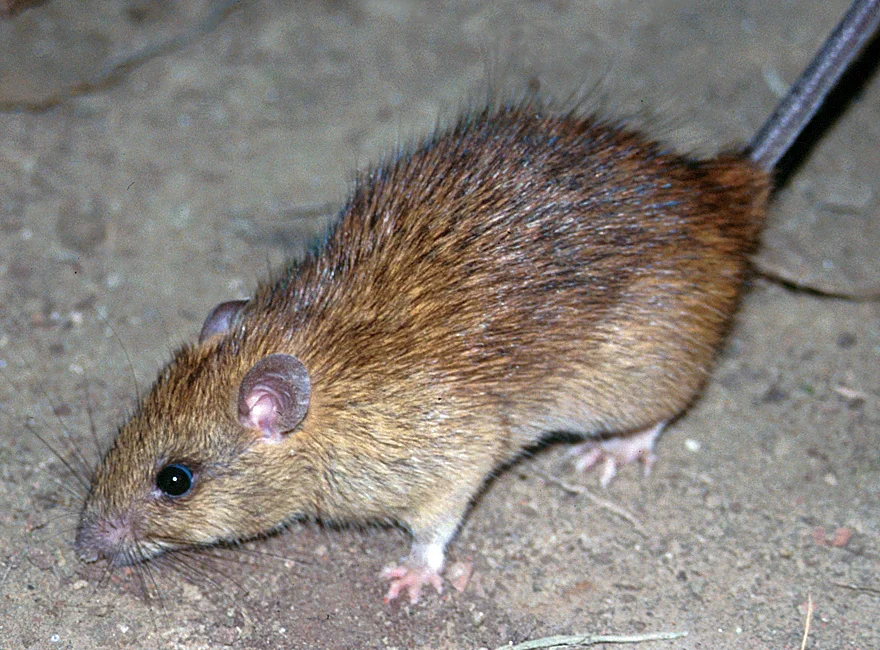
Possible roof rat
A slim rat with a long tail; often associated with climbing.
Compare clues & prevention steps
Clues to compare
- A slender body, large ears, and a tail longer than the head and body.
- Overhead noises are a clue, not proof.
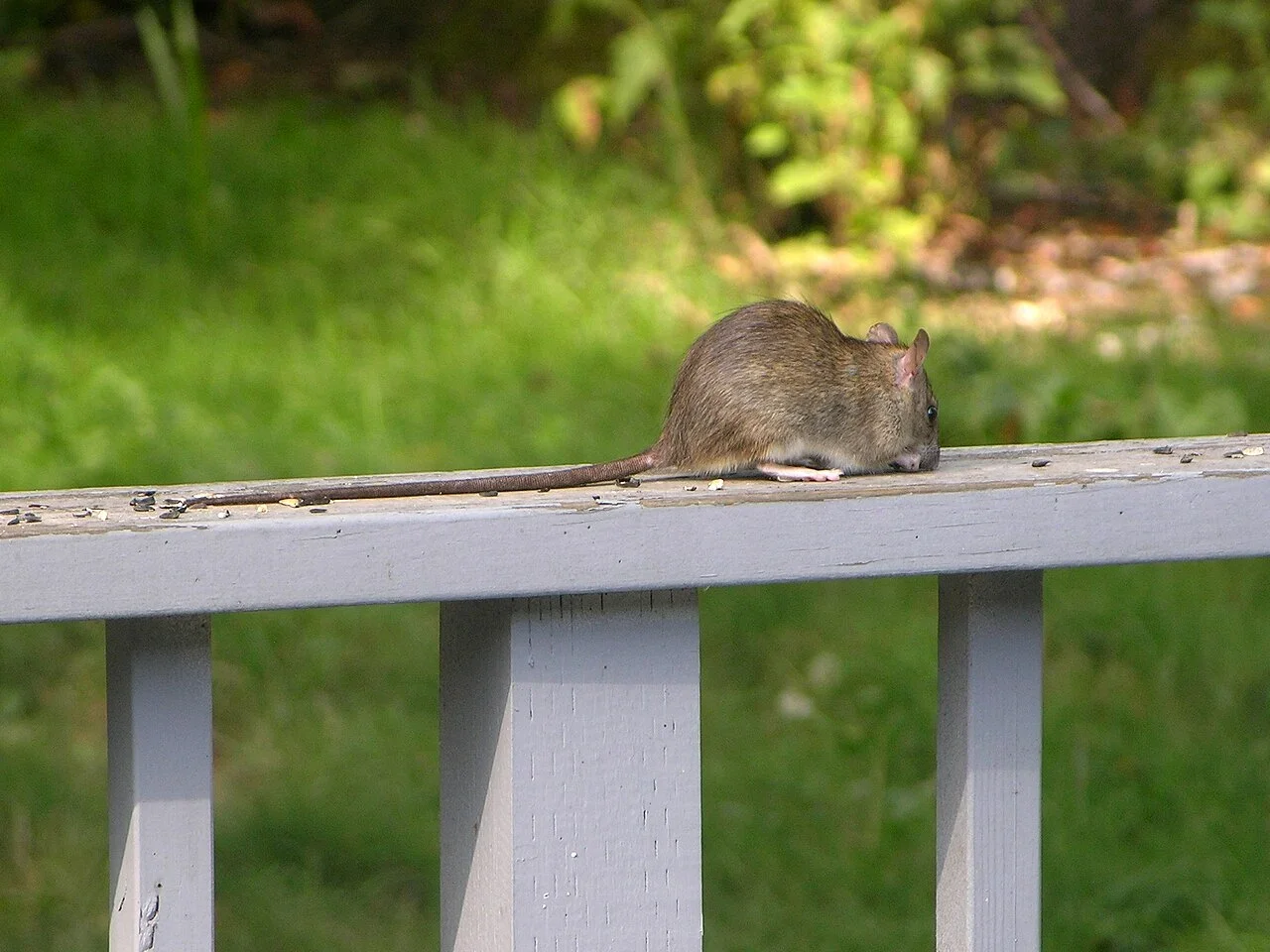
Photo credit & license
Alex O’Neal · CC BY-SA 2.0. Resized and converted to WebP; displayed without cropping.
Reference photos are not shown to scale.
Why it may be showing up
Roofline openings and nearby food or shelter may support activity.
What you can do
- Note when and where sounds occur.
- Inspect from safe ground-level locations.
- Arrange inspection before sealing an occupied space.
Learn more: Texas A&M · Rat and mouse identification · CDC · Preventing rodents
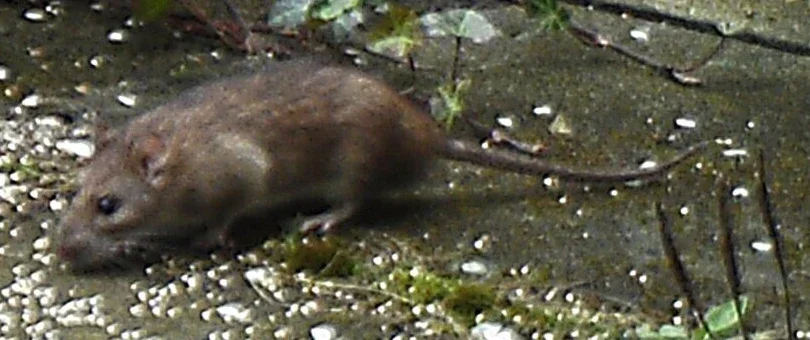
Photo credit & license
Donald Hobern · CC BY 2.0. Cropped around the animal, resized, and converted to WebP.
Ground-level activity
Possible Norway rat
A stockier rat; burrowing can be a useful clue.
Compare clues & prevention steps
Clues to compare
- Stockier body and a tail shorter than the head and body.
- Ground-level burrows may suggest activity.
Why it may be showing up
Accessible food, clutter, and shelter may attract rodents.
What you can do
- Secure trash and animal feed.
- Reduce ground-level clutter.
- Ask for help assessing burrows and entry points.
Learn more: Texas A&M · Rat and mouse identification · CDC · Preventing rodents
No close matches for both choices. Try resetting the filters, or ask PJ to review a photo.
Indoor vs. outdoor
Not every roach tells the same story.
Size, markings, and where you see activity help separate indoor-breeding roaches from species that often enter from outside.
4 possible matches · these clues do not confirm identification.
One outdoor roach indoors does not automatically mean an indoor infestation. Repeated sightings, young roaches, or activity near appliances deserve a closer inspection.
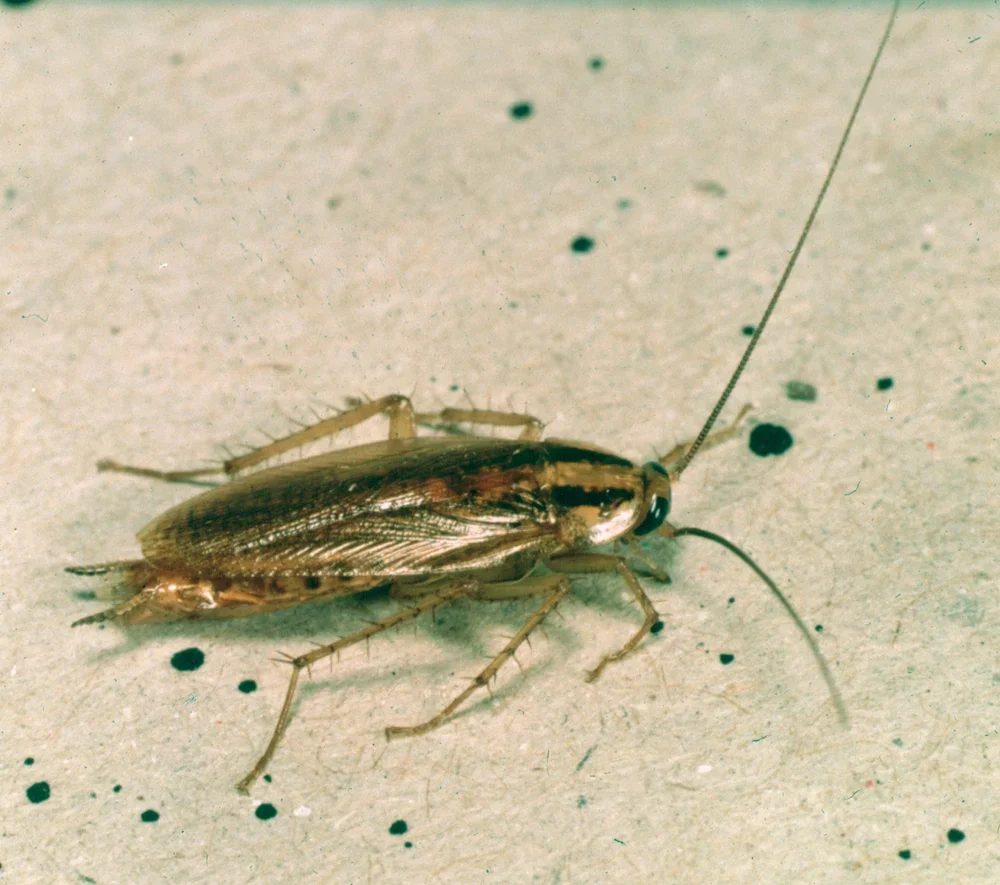
Photo credit & license
Clemson University – USDA Cooperative Extension Slide Series / © Bugwood.org · CC BY 3.0 US. Resized and converted to WebP; source image was cropped by its contributor.
Often breeds indoors
German cockroach
Small and tan, with two dark stripes behind the head.
Compare clues & prevention steps
Clues to compare
- Adults are about ½–⅝ inch long.
- Two lengthwise stripes appear on the shield just behind the head.
- Young roaches can look different from adults.
Why it may be showing up
They can arrive in boxes or belongings, or spread from nearby infested spaces. Warm indoor hiding places near food and moisture support them.
What you can do
- Clean crumbs and grease; fix leaks.
- Reduce cardboard and inspect incoming items.
- Seek a focused inspection for repeated indoor sightings.
Learn more: Texas A&M · German cockroaches
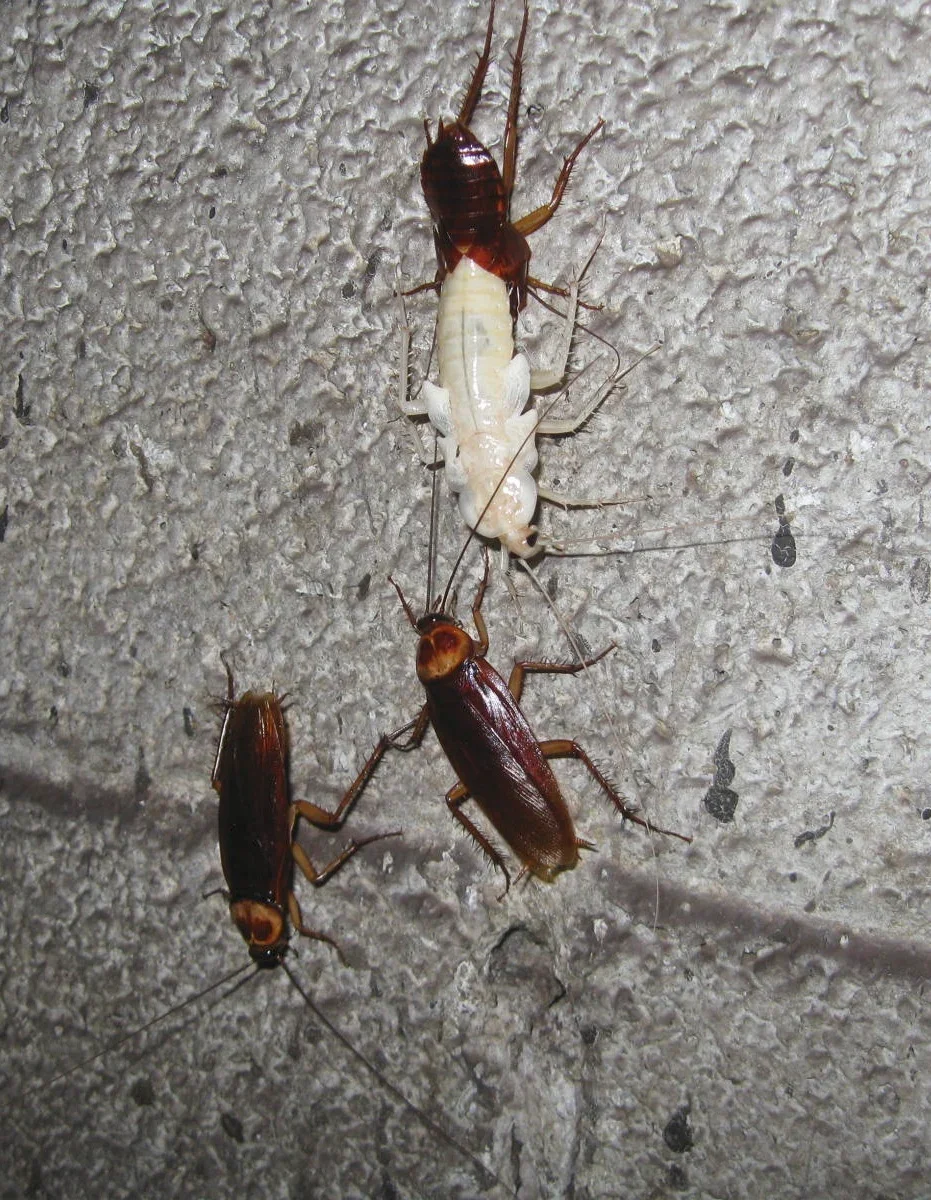
Photo credit & license
NY State IPM Program at Cornell University · CC BY 2.0. Resized and converted to WebP; displayed without cropping.
Large reddish-brown roach
American cockroach
A pale border around the shield behind the head.
Compare clues & prevention steps
Clues to compare
- Adults are commonly around 1½–2 inches long.
- Reddish-brown with a light border on the head shield.
Why it may be showing up
Moist, sheltered sites can support activity, with entry through gaps or around plumbing.
What you can do
- Fix leaks and reduce damp debris.
- Check door sweeps and pipe openings.
Learn more: Texas A&M · Outdoor cockroaches
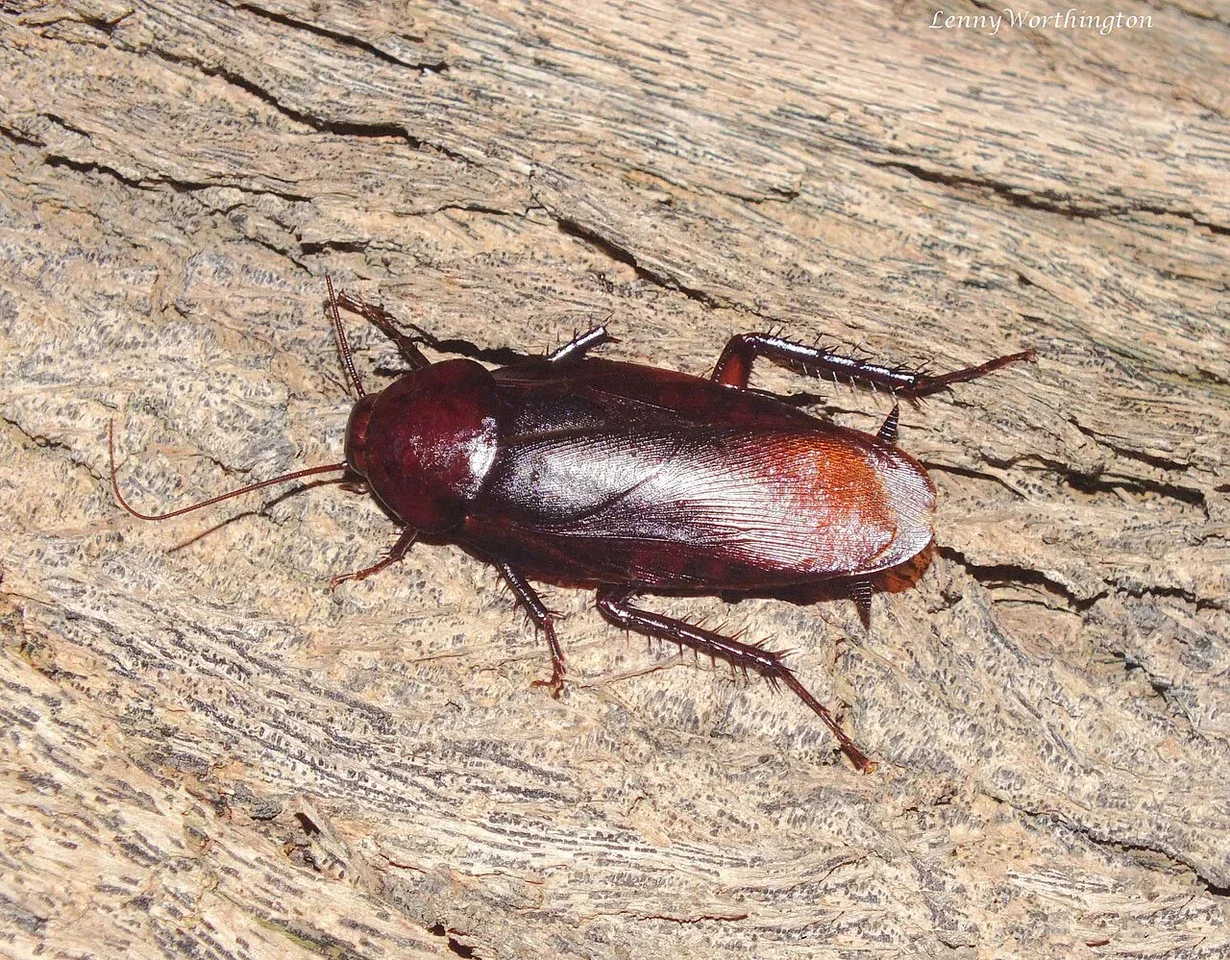
Photo credit & license
Len Worthington · CC BY-SA 2.0. Resized and converted to WebP; displayed without cropping.
Often associated with outdoors
Smokybrown cockroach
Even mahogany-brown color; wings cover the abdomen.
Compare clues & prevention steps
Clues to compare
- Adults are roughly 1–1½ inches long.
- The adult is uniformly dark brown rather than pale-bordered.
Why it may be showing up
Humid shelter around mulch, trees, or roof spaces can support them.
What you can do
- Reduce wet leaf litter near the home.
- Review screens, eaves, and entry gaps.
Learn more: Texas A&M · Outdoor cockroaches
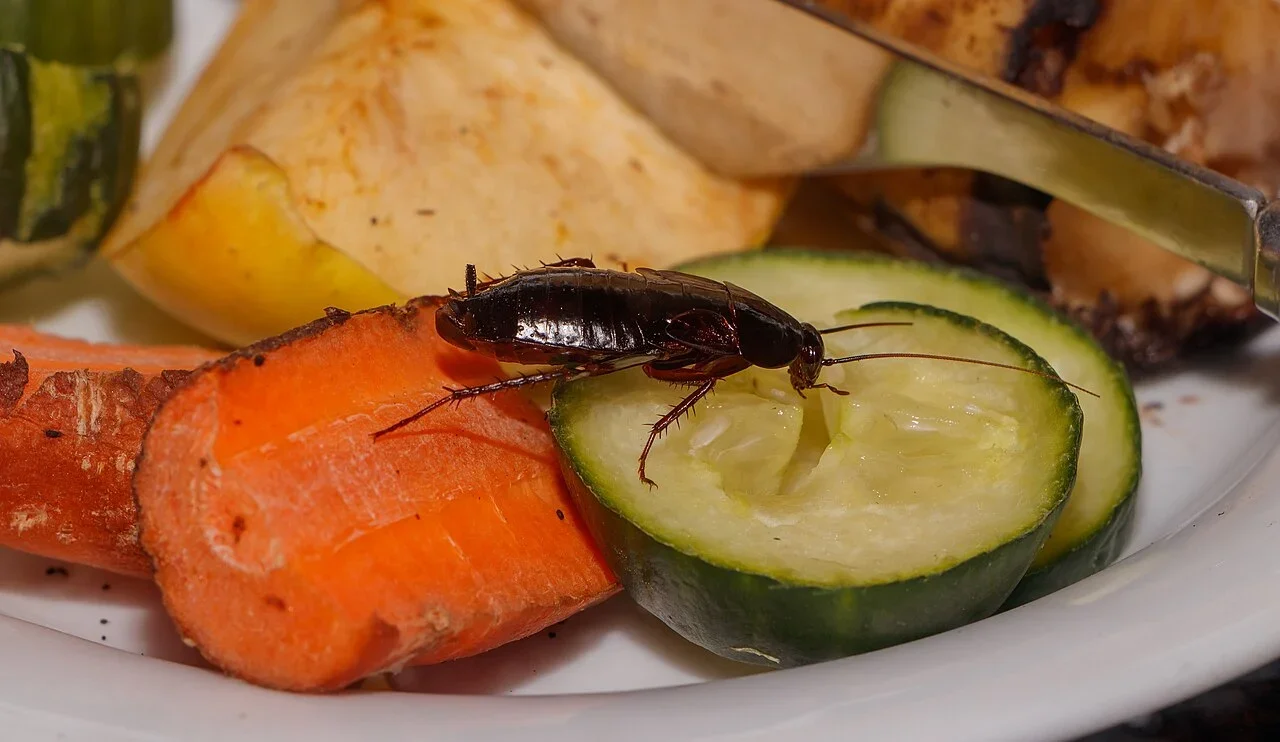
Photo credit & license
H. Zell · CC BY-SA 3.0. Resized and converted to WebP; displayed without cropping.
Damp, ground-level sites
Oriental cockroach
Shiny dark brown or black, with reduced wings.
Compare clues & prevention steps
Clues to compare
- Adults are around 1–1¼ inches long.
- Females have very short wing pads; male wings are also shortened.
Why it may be showing up
Cool, damp shelter near the ground can favor activity.
What you can do
- Correct moisture and drainage problems.
- Clear damp debris from entry points.
Learn more: Texas A&M · Outdoor cockroaches
No close matches for both choices. Try resetting the filters, or ask PJ to review a photo.
A little clarity goes a long way.
Choose a topic, then open a question.
Can this guide tell me exactly what I have?
It can help narrow the possibilities. Lighting, size, life stage, and look-alikes make identification uncertain. PJ can review clear photos and recommend whether an on-site inspection is needed.
What should I do if I find flying insects or shed wings indoors?
Take a close photo and a wider photo of the area. Preserve a dead sample if it is safe to do so. Use the Termite inquiry path for possible swarmers or mud tubes, so the next step can be an inspection.
Will mosquito service replace emptying standing water?
No. Reducing breeding water and using personal bite prevention remain part of mosquito management. Check water-holding items weekly, especially after rain.
Why do I still see weeds after a pre-emergent application?
Pre-emergents target germinating weeds; they do not remove every weed already growing. Established perennial weeds may need a different approach. Timing, turf type, and the product label all matter.
Does a brown patch mean lawn insects or disease?
No. Heat, drought, shade, irrigation coverage, insects, and disease can produce overlapping symptoms. Photograph the whole patch and its edge, note changes in watering, and request a lawn review before treating.
Can I vacuum up mouse or rat droppings?
Do not sweep or vacuum dry waste. Follow the CDC wet-cleanup method. Heavy infestations or contaminated insulation need additional precautions and professional guidance.
Should I seal the hole immediately if I hear attic noise?
An inspection helps determine what is entering and whether animals are still inside. Sealing an occupied space can trap animals. Keep food sealed and arrange an entry-point assessment.
Does one big roach mean my house is infested?
Not necessarily. Some outdoor species enter occasionally. Repeated sightings, young roaches, or activity around indoor food and moisture call for a closer look.
Are small kitchen roaches handled like outdoor roaches?
The treatment approach often differs. German cockroaches can breed indoors and may require focused treatment and follow-up. Photograph the markings and tell PJ how often you see them.
What photos will help PJ review my concern?
Take a sharp close-up, a wider view, and a size reference without touching the specimen. For weeds, include the base, leaves, and any seedhead. For pest signs, show where they were found. Attach photos yourself when sending your message.
When can children and pets return after an application?
The product label and the instructions for that specific service control re-entry. PJ will explain when the treated area can be used again. Do not assume every product or treatment has the same requirements.
Do I have to sign a contract to ask for help?
No contracts. Start with your service address and what you are seeing. You will get an explanation of the recommended service and pricing before scheduling.
Your local next step
You don’t have to figure it out alone.
Talk directly with PJ. Choose Pest, Lawn, or Termite help and prepare a message with your service address. You can review it and attach photos in your own email or text app before sending.